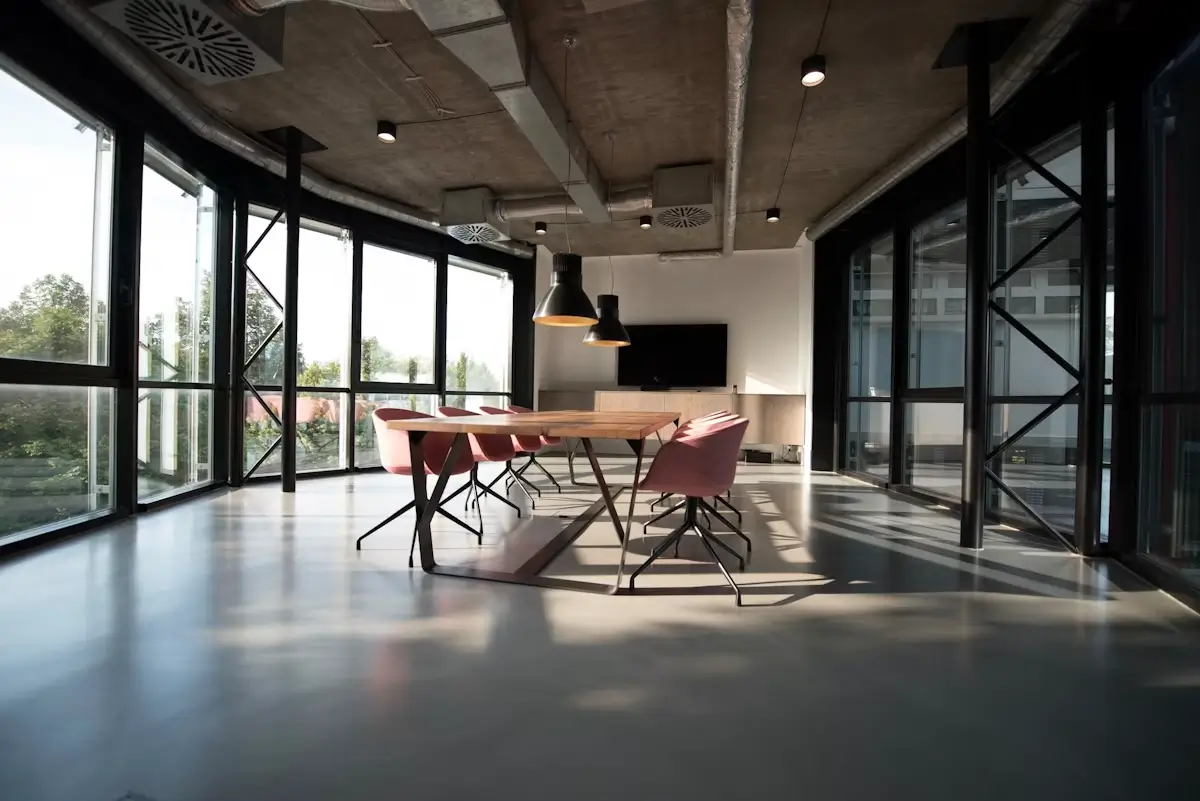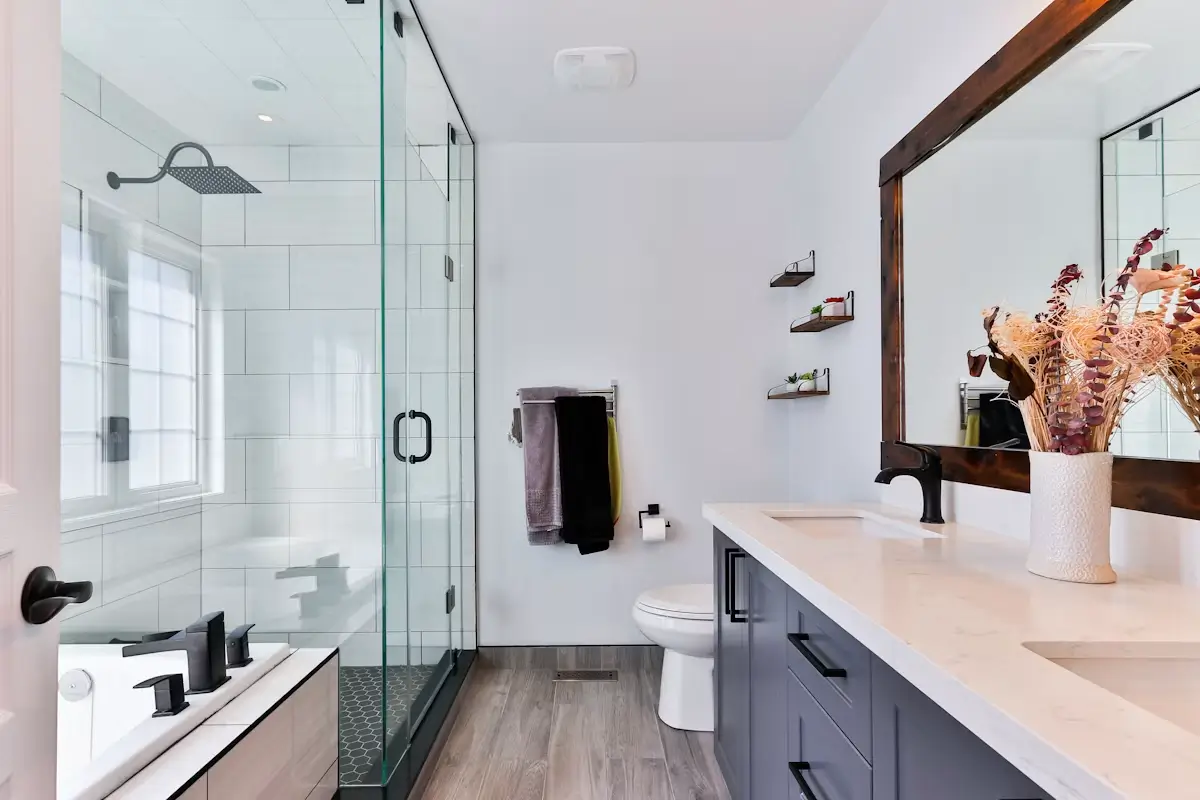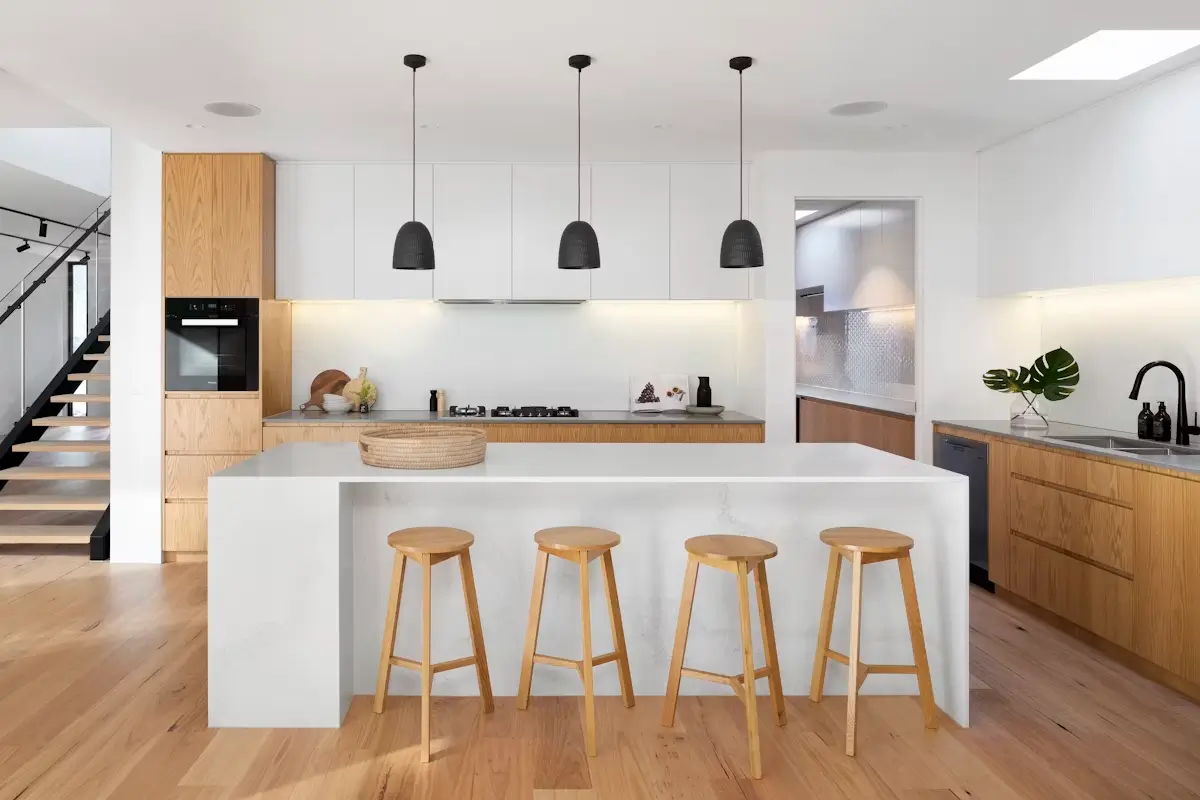
Common areas are the first thing residents, guests, and prospective tenants see. A dirty lobby or poorly maintained hallway signals neglect — regardless of how well individual units are kept. Here’s how to manage common area cleaning effectively without overspending.
Define the Scope in Writing
The most common cause of dissatisfied property owners is a vague cleaning agreement. Every contract should specify exactly which areas are covered, what tasks are performed on each visit, and the frequency for each task. Ambiguity always costs money later.
Tier Your Frequency by Traffic
Main lobbies and mailroom areas in a residential building may need daily service. Interior stairwells and secondary hallways can often be serviced 3x per week. Parking garages and utility corridors may only need monthly sweeping. Tiering your schedule this way reduces cost without compromising the spaces residents actually see.
Don’t Skip the Seasonal Deep Cleans
Twice-yearly deep cleans address buildup that routine visits miss — grout lines, elevator interiors, light fixture covers, and entryway surfaces that accumulate salt and sand during winter months. Skipping these creates compounding maintenance problems.
Use a Documented Checklist System
Ask your cleaning provider to leave a signed checklist on each visit. This creates accountability, gives you documentation for HOA board meetings, and makes it easy to verify that scope items aren’t being quietly skipped over time.
Coyle’s Cleaning provides documented checklists on every visit and builds custom scopes for HOAs and property management companies throughout Massachusetts and Southern New Hampshire.